Creating Inclusive Workplaces for People Who Are Blind
 admin
adminIn today’s changing professional environment, diversity and inclusion stand as key priorities for progressive organizations. One of the most meaningful aspects of inclusion is integrating individuals who are blind or visually impaired into the workforce. Establishing an inclusive workplace is not only a legal and ethical responsibility but also a strategic way to embrace diverse talent, encourage innovation, and enrich workplace culture.
Achieving this goal involves expanding job opportunities, providing effective workplace accommodations, adopting supportive policies, and sharing inspiring success stories that motivate change.
Expanding Job Opportunities
The foundation of inclusion begins with ensuring that people who are blind have fair access to employment. Employers can achieve this by removing recruitment barriers such as inaccessible application systems or job postings that assume visual abilities.
Job advertisements should emphasise skills, experience, and potential rather than vision-based requirements, and recruiters should be trained in inclusive hiring practices.
Collaboration with blindness advocacy groups and vocational training organizations can connect businesses with qualified candidates. By intentionally hiring from this talent
pool, companies not only advance diversity goals but also gain committed, skilled, and dependable employees.
Workplace Accommodations
A workplace becomes inclusive when employees who are blind can perform their responsibilities effectively and with confidence. This is possible through reasonable accommodations and modifications to the job setup or environment that help employees succeed.
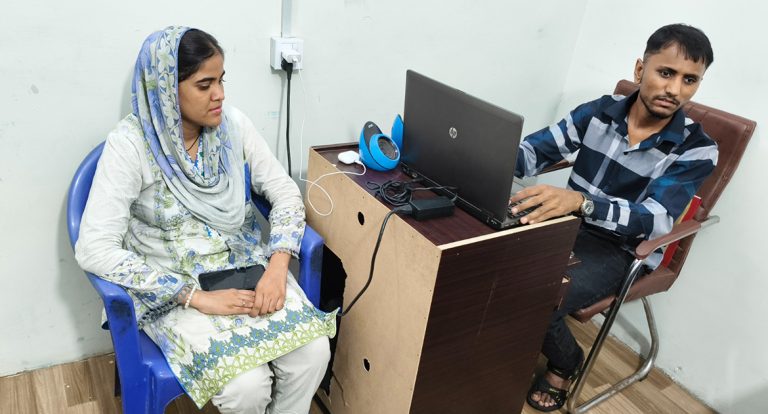
Examples include assistive technologies such as screen readers, Braille displays, magnification tools, or voice-activated systems. Accessibility updates like tactile markers, clutter-free walkways, and organized office layouts are also valuable.
Additionally, staff-wide training on blindness awareness ensures that accommodations are respected, reducing stigma and building understanding.
Policy Changes for Inclusion
Workplace culture is shaped by policy. To fully support employees who are blind, organizations should introduce strong anti-discrimination measures, flexible work options, and accessibility standards. These must go beyond written commitments to become actively implemented and regularly updated practices.
Inclusive policies also include career growth opportunities. Employees who are blind should have equal chances for promotions, leadership roles, and professional training. When inclusion is embedded into organizational policy, every employee feels respected and empowered.
Inspiring Success Stories
Showcasing the achievements of employees who are blind helps challenge stereotypes and encourage broader inclusion. These real-life examples highlight that vision loss does not define capability.
Whether it’s a blind professional thriving in IT development or a visually impaired team leader driving an impactful project, these stories demonstrate that ability and determination surpass visual limitations.
Sharing such successes internally uplifts morale, while promoting them externally enhances a company’s image as an inclusive, socially responsible employer.
Conclusion
Creating inclusive workplaces for people who are blind is about more than meeting compliance standards; it is about fostering an environment where all individuals can share their unique talents.
Through fair hiring opportunities, practical accommodations, inclusive policies, and uplifting success stories, organizations can set the standard for a workforce that mirrors the diversity of society. Inclusion is not only ethical but also smart business, offering benefits for employees, employers, and communities alike.